Skip to Content


Hartford Criminal Defense Lawyer
Trusted Hartford lawyers with over 100 years of combined criminal defense experience.
If you have been arrested or charged with a crime in Hartford, taking the right steps in the first hours and days is essential to protecting your future. The decisions you make now, including whether to speak with police and how quickly you retain counsel, will shape the entire case. At Brown Paindiris & Scott, LLP, we have defended people accused of crimes in Connecticut since 1977. Our attorneys handle everything from misdemeanor charges to federal felonies in courts throughout Hartford County. Speak with our Hartford, CT criminal defense lawyer today to schedule your consultation.
Criminal Defense Lawyer Hartford
 What does a criminal defense lawyer do? A criminal defense attorney represents people accused of crimes from the moment of arrest through trial, sentencing, and any appeal. The work involves examining how the police gathered evidence, identifying constitutional violations, negotiating with prosecutors, filing pretrial motions to suppress evidence or dismiss charges, and presenting a defense at trial when a case cannot be resolved otherwise.
Our Hartford criminal defense lawyer can also advise you on collateral consequences that go beyond the courtroom. A conviction can affect employment, professional licenses, immigration status, child custody, and the ability to own a firearm. Good representation accounts for all of these factors when shaping defense strategy and weighing whether to take a plea or go to trial.
Types of Criminal Defense Cases We Handle in Hartford
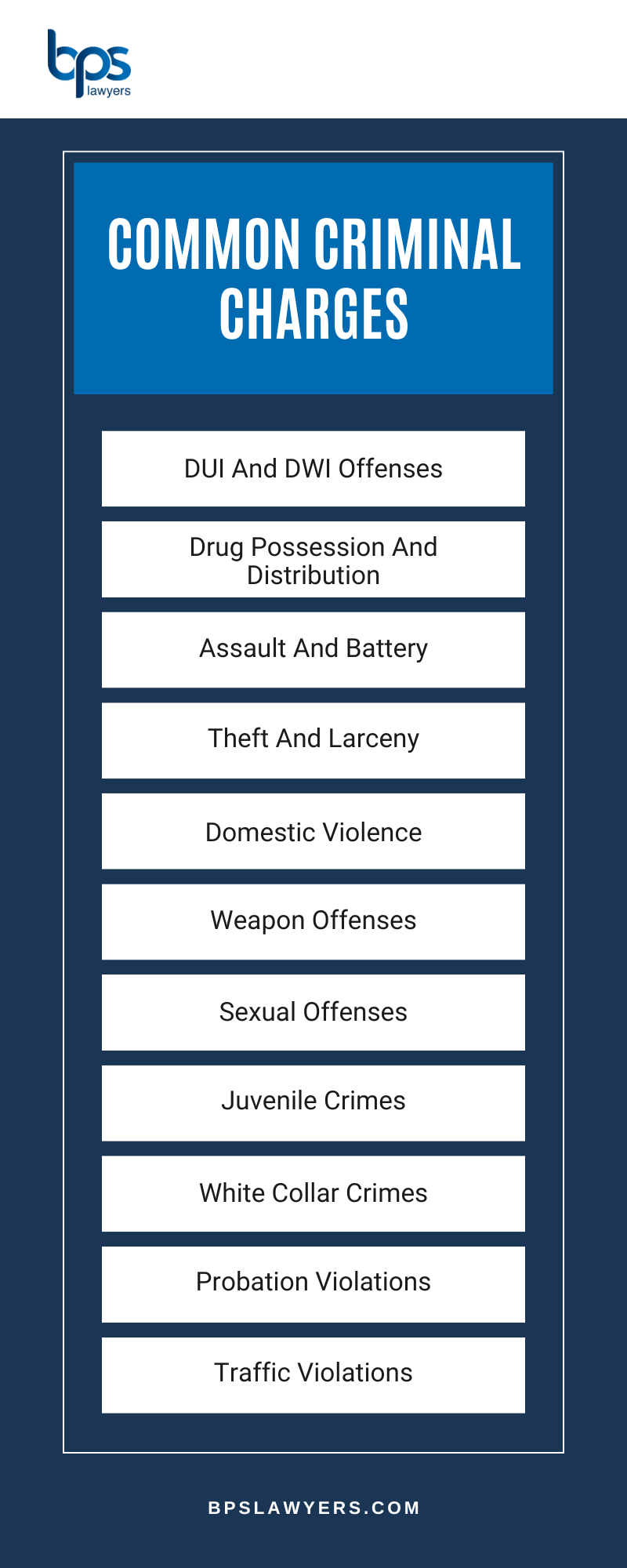
 Criminal cases vary widely in complexity, exposure, and strategy. The categories below reflect the matters we handle most often for clients in the Hartford area.
-
DUI. Driving under the influence cases involve breath tests, field sobriety evidence, and administrative license consequences that run separately from the criminal case. We examine the traffic stop, the testing procedures, and whether the officer had probable cause.
-
Drug crimes. Possession, distribution, and trafficking charges turn heavily on how the evidence was obtained. Search warrant defects and unlawful stops can lead to suppression of the drugs themselves, which often ends the case.
-
Violent crimes. Assault, robbery, and weapons charges carry significant prison exposure. Self-defense, identification issues, and witness credibility frequently drive these cases.
-
Murder. Murders and homicides are some of the most serious charges in Connecticut, with mandatory minimums and life sentences in play. These cases require forensic review, expert witnesses, and trial preparation that begins on day one.
-
Sex crimes. Sexual assault and related charges carry registration requirements that follow a person for years or decades. Defense strategy involves careful examination of consent, identification, and physical evidence.
-
White collar crimes. Embezzlement, larceny, and other financial offenses often involve complex documentary evidence and parallel civil exposure. Federal investigations require counsel familiar with grand jury practice.
-
Fraud charges. Insurance fraud, healthcare fraud, and identity theft cases involve forensic accounting, electronic records, and sometimes federal jurisdiction. We have handled prosecutions arising from federal grand jury investigations.
-
Domestic violence. These charges trigger immediate protective orders that affect housing, child contact, and firearms. The civil and criminal sides of these cases often move on parallel tracks.
-
Juvenile offenses. Cases involving clients under 18 follow different procedures and aim toward different outcomes. Our Hartford criminal defense lawyer can help you through common juvenile offenses, including explaining how the system treats them.
-
Probation violations and sentence modifications. A new arrest or a missed appointment can trigger a violation hearing where the standard of proof is lower than at trial. These hearings move quickly, and the consequences can include serving the suspended portion of the original sentence.
Hartford Criminal Defense Infographic
Why Choose Brown Paindiris & Scott, LLP for Criminal Defense in Hartford, CT?
 Recognition and Trial Background
 Recognition and Trial Background
Richard R. Brown has been practicing criminal law in Connecticut since 1971 and has handled numerous felony cases, including several murder prosecutions. He focuses on white-collar and federal criminal cases and has represented individuals during federal and state grand jury probes. Brown has been named to the “Top 50 Connecticut Super Lawyers” in Criminal Law from 2006 to 2024 by Connecticut Super Lawyers Magazine, recognized in Best Lawyers in America for Criminal Law from 2009 to 2020 and again in 2024 for Best Criminal Defense, and is a member of the American College of Trial Lawyers. He earned his J.D. from the University of Connecticut School of Law and is admitted to the U.S. Supreme Court.
Trent LaLima has more than a decade of criminal law experience and also handles appeals, civil litigation, and juvenile matters. He serves as Co-Chair of the Criminal Committee of the Hartford County Bar Association, Chair of the Criminal Justice Section of the Connecticut Bar Association, and Chair of the Hubert J. Santos Annual Criminal Litigation Seminar for the Connecticut Trial Lawyers Association. He works to defend his clients’ rights and to give them clarity during a difficult and often confusing process.
Free Consultations and Direct Communication
The first conversation costs nothing. We answer the phone, return calls, and explain what is happening in plain language. When something changes in your case, you hear it directly from us. Our criminal defense practice has been recognized among the 10 Best Law Firms in Connecticut for criminal defense.
Understanding Criminal Defense Cases
 Charges, Penalties, and Defense Strategies for Criminal Defense Cases
 Charges, Penalties, and Defense Strategies for Criminal Defense Cases
Connecticut classifies criminal offenses into broad categories, and the classification drives the maximum penalty.
-
Infractions. Minor offenses that are punishable by a fine with no jail exposure.
-
Misdemeanors. Class A, B, C, and D misdemeanors, with maximum jail terms ranging from three months to one year.
-
Felonies. Class A through Class D felonies and unclassified felonies, with maximum sentences ranging from five years to life imprisonment.
-
Federal offenses. Charges that are brought before the U.S. District Court under federal sentencing guidelines with their own structure and mandatory minimums.
Defense strategy depends on the charge, the evidence, and the client’s goals. Common approaches include challenging the legality of a search or seizure, attacking the reliability of identification evidence, raising self-defense or other affirmative defenses, negotiating reduced charges, and pursuing diversionary programs that lead to dismissal upon successful completion.
Important Aspects in Your Criminal Defense Case
A few factors influence outcomes more than people realize.
-
Saying nothing to the police. The right to remain silent exists for a reason. Statements made before an attorney is involved are often the most damaging evidence in a case.
-
Preserving evidence. Surveillance footage, text messages, and witness contact information disappear quickly. Counsel needs to act fast.
-
Court appearances. Missing a court date results in a re-arrest warrant and additional charges. Every appearance matters.
-
Collateral consequences. Immigration status, professional licenses, and security clearances can all turn on the outcome. These need to be factored into any plea decision.
-
Diversionary programs. Connecticut offers programs like Accelerated Rehabilitation that can lead to dismissal for first-time offenders. Eligibility is limited, and timing matters.
Criminal Defense Case Timeline
The path of a criminal case depends on the charge and the court. A general roadmap looks like this.
-
Arrest and arraignment. The first court appearance, where bond is set, and the case is placed on the docket. This usually happens within 24 to 48 hours of arrest.
-
Pretrial conferences. The bulk of cases resolve here through negotiation. Most cases involve several conferences over a period of months.
-
Motions practice. Motions to suppress evidence, dismiss charges, or compel discovery shape the case before trial.
-
Plea or trial. Most cases resolve by plea. Cases that proceed to trial in Connecticut Superior Court typically reach a jury within twelve to twenty-four months of arrest.
-
Sentencing or appeal. After conviction, sentencing follows within several weeks. An appeal, if pursued, takes a year or more in the Connecticut Appellate Court.
What to Bring to Your Criminal Defense Consultation
-
The arrest warrant, summons, or charging documents
-
Any bond paperwork or release conditions
-
The next court date and location
-
Names of any witnesses and contact information you have
-
Documentation of any prior criminal record, if applicable
The consultation is free and typically lasts between 45 minutes and an hour. We will explain the charges, the likely path of the case, and what defenses may apply.
Connecticut Legal Resources for Criminal Defense
 Several official resources can help people understand the Connecticut criminal justice system. These are useful starting points for verifying information and finding court records.
-
The Connecticut General Assembly publishes Title 53a, the Penal Code, which defines Connecticut crimes and penalties.
-
Statute of limitations. Most Connecticut misdemeanors must be charged within one year, and most felonies within five years under Conn. Gen. Stat. § 54-193. Class A felonies and certain other serious offenses have no time limit.
-
Court records and dockets. The Connecticut Judicial Branch provides public access to criminal case dockets, court schedules, and self-help materials.
-
Federal cases. The U.S. District Court for the District of Connecticut handles federal criminal matters in Hartford, New Haven, and Bridgeport.
-
Pardons and record erasure. The Connecticut Board of Pardons and Paroles reviews applications for pardons and absolute erasure of criminal records.
Reach Out to Brown Paindiris & Scott, LLP to Schedule a Consultation
A criminal charge does not wait. Investigators continue building their case while the accused decides what to do next. Brown Paindiris & Scott, LLP offers free consultations to anyone facing criminal charges in Hartford or the surrounding communities. Contact us today to discuss the charges, the next court date, and how our Hartford criminal defense lawyer can help.
Criminal Defense Statistics in Hartford
 Hartford is home to one of Connecticut’s busiest criminal courts, where thousands of cases move through Geographical Area 14 and the Judicial District each year. Statewide crime data offers useful context for anyone facing charges in the city.
-
Serious crime in Connecticut fell about 14 percent between the first three quarters of 2023 and 2024, according to the state’s Crime in Connecticut report.
-
Crimes against persons declined roughly 3.5 percent, and property crimes fell about 18.4 percent, over that same period.
-
Murders and manslaughters dropped nearly 35 percent from 2023 to 2024.
-
Connecticut’s violent crime rate remains far below the national average, as the FBI crime data confirms.
-
The state continues to rank among the safest in the country, even as arrests for lower-level offenses and drug violations have ticked upward.
These numbers describe a system that is busy but improving. Even so, a single arrest sets a demanding legal process in motion. Prosecutors and police begin building their case from the first day, which is why prompt, experienced representation matters so much for anyone charged in Hartford.
Questions to Ask a Criminal Defense Lawyer Before Hiring
 The right defense lawyer is not always the first name that appears in a search result. A few direct questions during the initial consultation reveal a great deal about whether an attorney is the right fit for your case.
-
Have you handled charges like mine before? Experience with the specific charge, and with the court where the case will be heard, shapes how effectively a lawyer can anticipate the prosecution’s approach. Ask about outcomes in comparable cases.
-
Who will actually handle my case? At some firms, the attorney you meet is not the one who appears in court. Confirm who will manage your file, attend hearings, and take your calls.
-
How do you see my case unfolding? A candid lawyer will walk through the likely stages, the evidence that matters, and the realistic range of outcomes rather than promising a result no one can guarantee.
-
Am I eligible for a diversionary program? First-time and lower-level charges sometimes qualify for programs that end in dismissal. A lawyer should be able to tell you early whether that path may be open.
-
How and how often will you communicate with me? Criminal cases generate anxiety, and long silences make it worse. Ask how you will receive updates and how quickly your questions will be answered.
-
How are your fees structured? Criminal defense is generally handled on a flat fee or a retainer rather than a contingency arrangement. You are entitled to a clear explanation of what the fee covers and what could change it.
-
What are the collateral consequences I should know about? A conviction can affect employment, licensing, immigration status, and more. A thorough lawyer weighs these against the charge itself when advising on strategy.
-
What should I do right now? The answer to this question, more than any other, shows whether a lawyer is focused on protecting you from the outset or simply signing a client.
Hartford Criminal Defense Lawyer FAQs
How much does a Hartford criminal defense lawyer cost?
 How much does a Hartford criminal defense lawyer cost?
The first consultation is free. Beyond that, criminal defense is usually handled on a flat fee or a retainer rather than a contingency basis. The amount depends on the charge, the court, and the complexity of the case. A misdemeanor resolved early costs far less than a felony that proceeds to trial. We explain the fee and what it covers before you decide to move forward, so there are no surprises later.
Do I need a lawyer if the charge seems minor?
Often, yes. Charges that appear minor can carry consequences that surface later, from a permanent record to effects on employment, housing, and immigration status. A lawyer can also identify whether a diversionary program or a favorable resolution is available. A free consultation costs nothing and lets you understand what is at stake before you make any decision.
Should I talk to the police?
You have the right to remain silent, and it is usually wise to use it. Statements made before a lawyer is involved are among the most damaging evidence in many cases, even when a person believes they are helping themselves. It is worth taking a moment to know your rights before answering questions, and to ask for counsel as soon as you are able.
Can my charges be dismissed?
Sometimes. Connecticut offers diversionary programs, including accelerated rehabilitation, that can lead to dismissal for eligible first-time and lower-level offenders. Charges may also be dismissed when evidence was obtained unlawfully or the state cannot meet its burden. The right approach depends on the facts, which is why an early case review matters.
What is the difference between a misdemeanor and a felony?
Connecticut sorts criminal charges by severity, and the classification drives the maximum penalty and the long-term consequences. Misdemeanors carry shorter maximum jail exposure, while felonies range up to the most serious sentences the state can impose.
Will I go to prison if I am convicted?
Not necessarily. Many cases resolve without incarceration through negotiated pleas, probation, or diversion, and sentencing depends heavily on the charge and the person’s record. When a sentence does involve time, parole eligibility and other factors affect how much of it is actually served. We work to keep clients out of custody wherever the facts allow.
How long will my case take?
It varies. A straightforward misdemeanor may resolve in a few court dates over several months, while a serious felony can take a year or more, particularly if it proceeds toward trial. Pretrial conferences, motions, and negotiation all take time. We keep clients informed at each stage so the process feels less uncertain.
Will a conviction stay on my record?
A conviction generally remains on your record unless it is later erased or pardoned. Connecticut provides pathways to clear certain records, and eligibility depends on the offense and the time that has passed. Because a record can affect work and housing for years, it is worth asking early about whether relief may eventually be available in your situation.
Do you handle federal criminal charges?
Yes. Federal cases follow their own rules, carry their own sentencing structure, and are prosecuted by different offices than state matters. Our attorneys handle federal criminal charges alongside state prosecutions, including cases that begin with a grand jury investigation. Federal exposure calls for counsel familiar with that system from the start.
Important Resources for Hartford Criminal Defense Cases
Hartford Courthouses and Local Criminal Justice Resources
 Hartford Courthouses and Local Criminal Justice Resources
Criminal cases in the Hartford area are heard in a few different courts, and knowing where a case belongs helps make sense of the process.
-
Geographical Area 14. Located at 101 Lafayette Street, this court handles arraignments, misdemeanors, motor vehicle offenses, and lower-level felonies for Hartford and many surrounding towns.
-
Judicial District of Hartford. Also at 101 Lafayette Street, the Judicial District handles the most serious felony matters, often called Part A cases.
-
Superior Court for Juvenile Matters. Cases involving clients under eighteen follow separate procedures aimed more at rehabilitation than punishment.
-
U.S. District Court. Federal charges are heard in the District of Connecticut, which sits in Hartford, New Haven, and Bridgeport.
What Are Important Local Resources for Hartford Criminal Defense?
If you or a loved one is facing charges in Hartford, the resources below may be useful as your case moves forward. We list them for convenience only. We do not endorse any of them, and including them here does not create any affiliation.
-
Hartford Superior Court, G.A. 14. The criminal courthouse at 101 Lafayette Street, for dockets, hearings, and records. 860-566-1630.
-
Connecticut Division of Public Defender Services. Court-appointed representation for those who cannot afford an attorney. 860-756-7840.
-
Adult Probation, Hartford. Court Support Services, at 309 Wawarme Avenue, supervises probation and pretrial conditions. 860-241-2300.
About Brown Paindiris & Scott, LLP
Brown Paindiris & Scott, LLP has defended people accused of crimes in Connecticut since 1977. Among the firm’s criminal attorneys, John Maxwell has practiced since 1979, co-authored a treatise on defending Connecticut DWI cases, and serves on the federal Criminal Justice Act panel that appoints counsel for federal defendants. The firm holds an AV Preeminent rating from Martindale-Hubbell and has been recognized in the U.S. News Best Law Firms rankings, and its attorneys have won acquittals in serious felony cases, including murder and sexual assault charges.
Brown Paindiris & Scott, LLP Hartford Criminal Defense Lawyers
100 Pearl St, Hartford, CT 06103
What Our Clients Say
⭐⭐⭐⭐⭐
“A great and caring law firm. I had a wonderful experience with them. They take time to discuss your issues in order to understand your needs and concerns and recommend appropriate action. Excellent all around.”
Demetrios Giannaros
Read more reviews on our Google Business Profile.
Additional Resources for Hartford Criminal Defense Cases
Contact Brown Paindiris & Scott, LLP
 If you are facing criminal charges in Hartford, the sooner you have a lawyer, the more can be done to protect you. Brown Paindiris & Scott, LLP offers a free, confidential consultation to discuss the charges, the next court date, and the options in front of you. Contact us to speak with a Hartford criminal defense lawyer about your case.

Schedule Consultation
Client Review
"I hired and worked with Attorney Sobin regarding injuries I received in a horrific accident. I found him to be honest and straightforward. He pursued my case diligently and won the maximum amount in my lawsuit. I highly recommend him for any personal injury case."
Dan R.