Skip to Content


The Long-Term Mental Health Impact Of Car Accidents
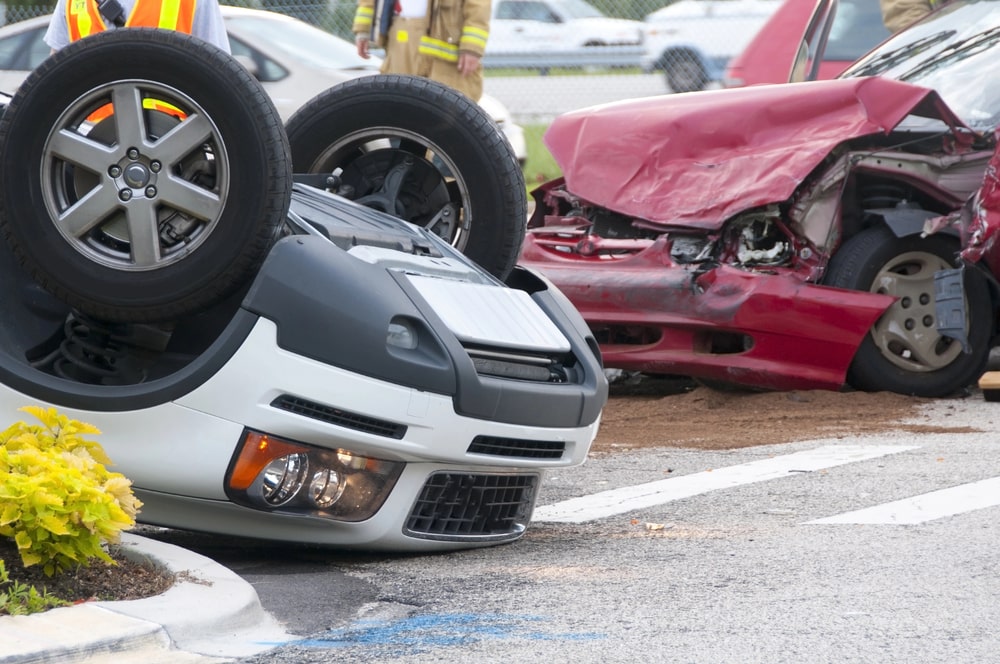
Car accidents are often thought of in terms of visible injuries—broken bones, whiplash, or head trauma. But while physical wounds may eventually heal, the psychological scars of a crash can linger for years. Survivors frequently deal with lasting mental health challenges, including post-traumatic stress disorder (PTSD), depression, and anxiety. These invisible injuries can disrupt daily life just as profoundly as physical pain, yet they’re often overlooked in discussions about recovery.
Below, our friends from KBD Attorneys discuss the long-term mental health impacts of car accidents.
Understanding the mental health impact of car accidents is critical—not just for survivors, but also for their families, friends, and communities. When emotional trauma is ignored, healing stalls, and long-term well-being suffers.
Car Accidents And PTSD
Post-traumatic stress disorder (PTSD) is one of the most common psychological outcomes of a serious crash. While many people associate PTSD with combat veterans, research shows that motor vehicle accidents are a leading cause of PTSD in the general population.
Symptoms may include:
-
Intrusive memories – Flashbacks, nightmares, or unwanted thoughts about the accident.
-
Avoidance behaviors – Refusing to drive, avoiding certain roads, or withdrawing from activities associated with the crash.
-
Hyperarousal – Feeling constantly on edge, being startled by loud noises, or having trouble sleeping.
-
Negative mood changes – Persistent feelings of guilt, shame, or detachment from others.
For some, PTSD symptoms appear immediately. For others, they surface weeks or months after the crash. Without proper treatment, PTSD can interfere with work, relationships, and overall quality of life.
Depression After A Car Accident
Beyond PTSD, survivors often face depression. The emotional toll of an accident—especially when paired with physical injury or financial strain—can be overwhelming. Depression may manifest as:
-
Persistent sadness or hopelessness
-
Loss of interest in activities once enjoyed
-
Changes in appetite or sleep patterns
-
Difficulty concentrating
-
Thoughts of self-harm in severe cases
Chronic pain from accident-related injuries can also feed into depression, creating a cycle where physical discomfort worsens emotional distress and vice versa. Unfortunately, depression is frequently dismissed as just “feeling down” after a traumatic event, when in reality it is a serious condition requiring professional support.
Anxiety And Driving Phobia
Even after physical recovery, many survivors struggle with anxiety. Commonly, this takes the form of driving phobia—a fear of getting behind the wheel or riding in a car. Survivors may panic at intersections, freeze in heavy traffic, or avoid highways altogether.
In some cases, anxiety extends beyond the road, leading to generalized anxiety disorder (GAD) or panic attacks unrelated to driving. These symptoms can impact work performance, social connections, and daily independence. For individuals whose jobs depend on driving, this anxiety can also create financial strain.
The Ripple Effect On Families
The mental health impact of a car accident doesn’t stop with the survivor. Families often shoulder the emotional and practical burden of care. A parent with PTSD may struggle to drive children to school. A spouse experiencing depression may withdraw from family life. Children may also internalize the trauma, worrying excessively about safety or fearing car travel.
This ripple effect underscores why mental health care must be part of post-accident recovery—not just for the survivor, but for the entire family unit.
Healing And Treatment Options
The good news is that psychological recovery is possible. Early intervention and ongoing support can significantly reduce the long-term impact of car accident trauma. Common treatments include:
-
Therapy – Cognitive-behavioral therapy (CBT) and exposure therapy are effective for PTSD and anxiety. Talk therapy can also help with depression.
-
Medication – Antidepressants and anti-anxiety medications may be prescribed to stabilize mood and reduce symptoms.
-
Support groups – Sharing experiences with others who’ve been through similar trauma can reduce feelings of isolation.
-
Lifestyle changes – Exercise, mindfulness, and good sleep hygiene can help manage stress and improve overall well-being.
-
Family counseling – Helps loved ones understand what the survivor is going through and develop healthy coping strategies together.
Acknowledging that mental health is just as important as physical health is the first step toward true recovery.
Breaking The Stigma
One of the biggest barriers to healing is stigma. Survivors may feel embarrassed about their anxiety or depression, dismissing it as weakness. Others may encounter skepticism from employers, insurers, or even family members who don’t understand the depth of their suffering.
It’s important to recognize that these reactions are normal responses to trauma—not signs of weakness. Seeking mental health care after an accident is a vital part of recovery, no different than visiting a doctor for a broken bone.
Why Awareness Matters
Car accidents are a leading cause of injury worldwide, yet conversations about them often focus solely on physical damage. By shedding light on the long-term psychological consequences, we can encourage survivors to seek help sooner, reduce stigma around mental health treatment, and support policies that ensure accident victims get the care they need.
The aftermath of a car accident is about more than fixing vehicles and treating visible wounds. The hidden toll on mental health—PTSD, depression, and anxiety—can last for years if left unaddressed. Survivors deserve compassion, support, and access to professional care as they navigate recovery and a car accident lawyer can provide legal advice and guidance to help make sure they get this.