Skip to Content


Insurance Adjusters After a CT Pedestrian Accident
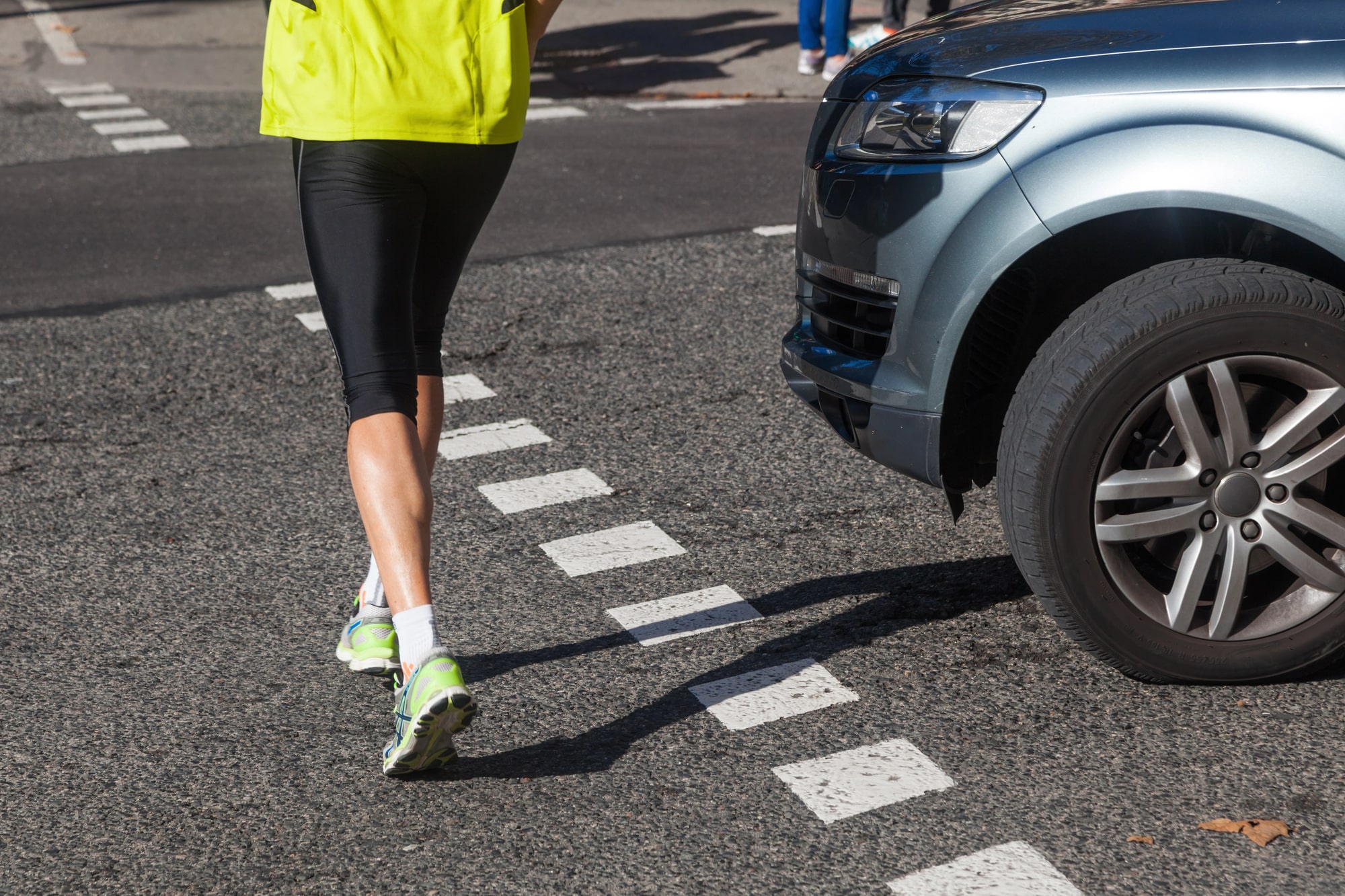
Being struck by a vehicle is a traumatic experience. So when an insurance adjuster calls within a day or two, sounding friendly, expressing concern, asking how you’re doing, it can feel like the system is working in your favor. It isn’t. Understanding what that call actually represents, and how to handle it, is one of the most important things a pedestrian accident victim can do to protect their claim.
What an Insurance Adjuster’s Job Actually Is
Adjusters work for the insurance company. Their job is to investigate the claim and resolve it for as little money as possible. That’s not a cynical characterization — it’s simply what the role requires. Adjusters are trained professionals who handle dozens of claims at a time, and they know exactly which questions to ask and which responses to listen for.
When they call you in the days immediately following an accident, you’re often still in pain, possibly on medication, and not yet certain about the full extent of your injuries. That timing is not accidental. Early contact happens because injured people are more likely to make statements they’ll later regret and more likely to accept settlement offers before they understand what their injuries will actually cost.
What You Should Never Say to an Adjuster
A few things that seem harmless can significantly damage a pedestrian accident claim:
- Saying you feel “okay” or “not too bad” when asked how you’re doing — adjusters document these statements and use them to argue your injuries are minor
- Apologizing or expressing any uncertainty about what happened — even a casual “I’m not sure I was in the crosswalk” can be used to attribute fault to you
- Agreeing to a recorded statement before speaking with an attorney — you are not required to provide one, and doing so without legal guidance is almost always a mistake
- Accepting any settlement offer before your medical treatment is complete — you can’t know what your injuries will cost until you know how serious they are
Connecticut’s modified comparative fault system means that anything you say that suggests you contributed to the accident can reduce what you’re entitled to recover. Once fault is allocated, it affects every dollar of your potential compensation.
What You Are and Aren’t Required to Do
You’re generally required to notify your own insurance company about the accident. Beyond that, you have no obligation to speak with the at-fault driver’s insurer, provide a recorded statement, or accept any offer they make. Adjusters may imply otherwise. They may suggest that cooperation is required or that delays will harm your claim. Neither is true.
A Glastonbury pedestrian accident lawyer can handle all communications with the insurance company on your behalf, which removes the risk of an unguarded comment affecting your claim and often produces better outcomes in negotiations.
Why Early Settlement Offers Are Almost Always Too Low
Insurers know that injured people face immediate financial pressure. Medical bills arrive quickly. Time away from work creates stress. A settlement offer that feels significant in the first few weeks often looks very different six months later, once the full scope of injuries, treatment needs, and lost income has become clear.
Pedestrian accident injuries are frequently severe. Fractures, traumatic brain injuries, and soft tissue damage often require surgery, extended rehabilitation, and long-term follow-up care. Accepting a settlement before treatment is complete means accepting an amount that may not cover future costs you haven’t yet incurred. Once you sign a release, that’s the end of it regardless of what happens afterward.
Brown Paindiris & Scott, LLP has been representing pedestrian accident victims in Connecticut since 1977 and understands how insurers approach these claims. If you’ve been contacted by an adjuster after a pedestrian accident, reach out to a Glastonbury pedestrian accident lawyer before responding, so you know exactly where you stand before any conversations take place.