Skip to Content


Dog Bite Compensation in Connecticut
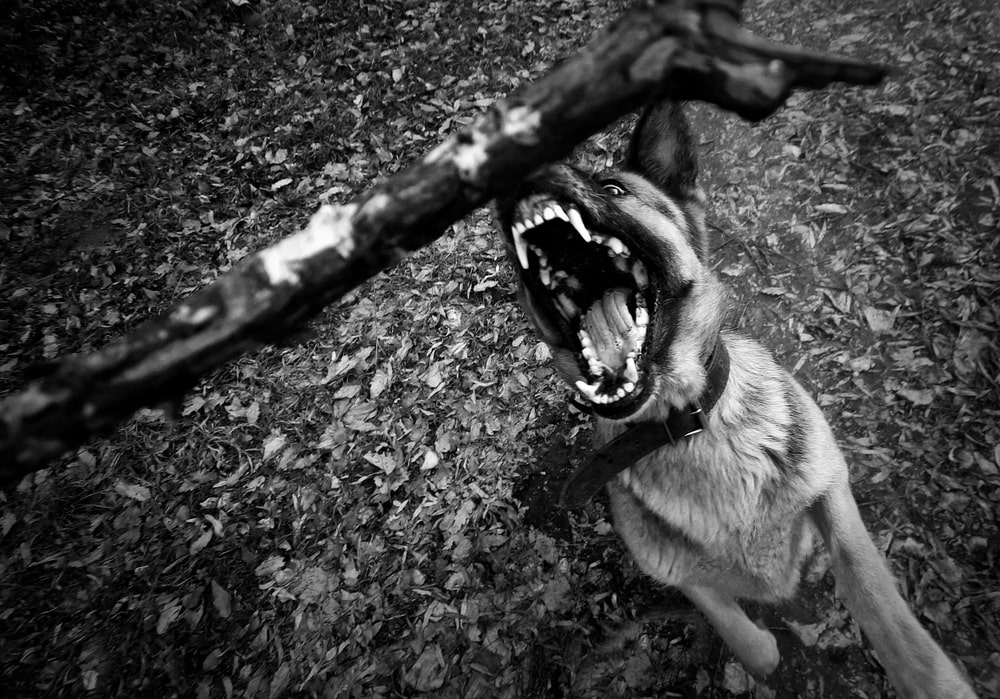
A dog bite changes things fast. One moment you’re going about your day, and the next you’re dealing with a serious wound, a trip to the emergency room, and a whole lot of uncertainty about what comes next. One of the most common questions victims ask is simple: what am I actually entitled to? In Connecticut, the law is fairly clear on this, though the specifics of your case will always shape the outcome.
How Connecticut Dog Bite Law Works
Connecticut doesn’t make victims jump through hoops to prove liability. Under Connecticut General Statute § 22-357, a dog owner is liable for their animal’s actions as long as you weren’t trespassing and didn’t provoke the dog. You don’t need to prove the owner had any prior warning that their dog was dangerous. That’s a meaningful protection for victims. A Hartford dog bite injury lawyer can walk you through how this statute applies to what happened to you specifically.
Types of Compensation Available
Connecticut dog bite claims generally break down into two categories: economic and non-economic damages. Both matter, and both deserve attention. Economic damages are the concrete, measurable losses. Think:
-
Emergency room visits, surgeries, and follow-up appointments
-
Prescription costs and ongoing treatment
-
Lost wages if you couldn’t work during recovery
-
Future medical expenses when long-term care is needed
Non-economic damages are harder to put a number on, but they’re just as real. Pain and suffering. Emotional trauma. If you’re left with visible scarring or permanent disfigurement, that gets factored in too. Dog bites can trigger lasting anxiety and post-traumatic stress, and Connecticut law recognizes those as compensable harms. They shouldn’t be dismissed just because they don’t show up on a medical bill.
What Affects the Value of a Claim
No two cases are identical. What a claim is worth depends on a number of things working together, or sometimes against you:
-
How severe the injury was and whether you needed surgery or hospitalization
-
Whether you’re dealing with permanent scarring, nerve damage, or reduced function
-
How clearly liability can be established
-
The dog owner’s insurance coverage and policy limits
-
The quality and consistency of your medical documentation
That last point matters more than people realize. Insurance companies look for gaps in treatment. If you stopped going to appointments or waited a long time before seeking care, they’ll use that to argue your injuries weren’t that serious. Consistent, documented medical care from the start gives your claim a much stronger foundation.
The Role of Homeowner’s Insurance
Most dog bite claims run through the dog owner’s homeowner’s or renter’s insurance policy. That might sound straightforward, but it rarely is. Adjusters work for the insurance company, not for you. Their job is to close claims, and they’re good at it. Having an attorney in your corner means someone’s actually reviewing the full picture of your damages before you agree to anything.
Taking the Next Step
Brown Paindiris & Scott, LLP has spent decades representing personal injury clients across Connecticut. Dog bite cases aren’t just about proving what happened. They’re about documenting everything, understanding the law, and knowing when a settlement offer doesn’t reflect what a case is actually worth.
If you’ve been bitten and you’re not sure where to start, speaking with a Hartford dog bite injury lawyer is a reasonable next step. Reach out to our team today to talk through what your case may look like.