Skip to Content


Connecticut Dog Bite Laws Every Pet Owner Should Understand
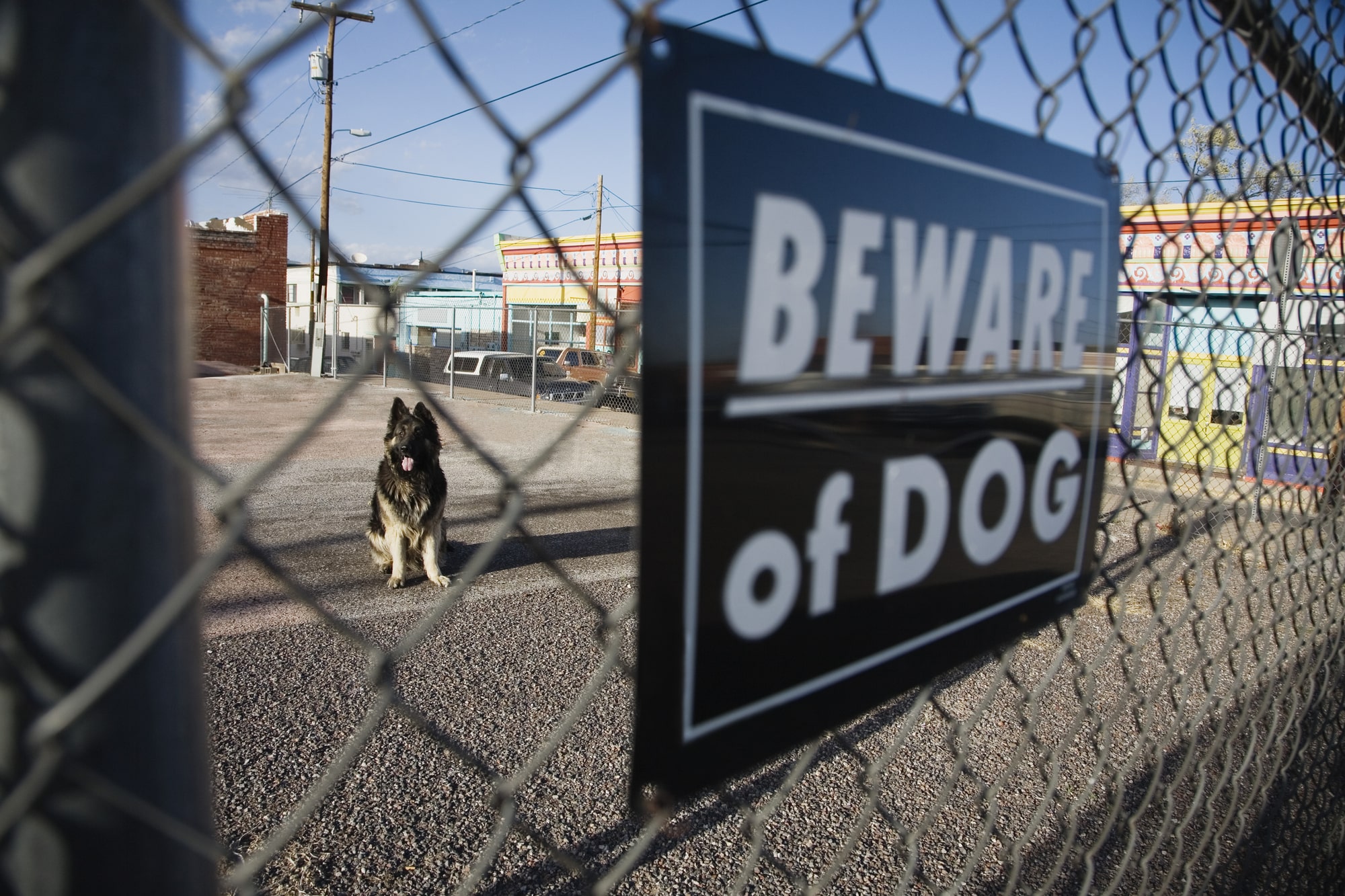
Connecticut takes dog bites seriously. Unlike some states that give dogs “one free bite,” our state follows a strict liability approach. Your dog bites someone? You’re responsible for the injuries. It doesn’t matter if Fluffy has never shown aggression before or if she’s been a perfect angel for ten years. The victim doesn’t need to prove you knew your dog was dangerous or that you were careless in handling your pet. They don’t need to show you did anything wrong at all.
This strict standard protects bite victims, but it places significant responsibility on you as a pet owner. You can’t defend yourself by claiming your dog never bit anyone before. You can’t say you had no reason to expect aggressive behavior. The law doesn’t care about your dog’s history.
When Dog Owners Are Held Responsible
Connecticut law holds owners liable when their dog bites, wounds, or injures another person who is lawfully on public or private property. That word “lawfully” matters more than you might think. Lawful presence means the person had a right to be where they were. This includes mail carriers and delivery drivers performing their duties, guests you invited to your property, children playing in areas where they’re permitted, and people walking on public sidewalks or parks. A Hartford dog bite injury lawyer can help you figure out whether someone was lawfully present when an incident occurred. This distinction directly affects liability, and it’s not always as clear-cut as it seems.
Exceptions To Connecticut’s Dog Bite Law
Connecticut’s strict liability rule has exceptions. You’re not automatically liable if someone was trespassing or provoking your dog at the time of the bite. Trespassing means the person had no legal right to be on your property. However, this defense has real limits. Young children often can’t be considered trespassers because they may not understand property boundaries. Courts look at the child’s age and whether attractive nuisances on your property drew them there.
Provocation is another defense. If someone was teasing, tormenting, or abusing your dog when the bite happened, you might not be held liable. However, proving provocation can be challenging. Simply petting a dog doesn’t count as provocation, and neither does walking near it. According to the American Veterinary Medical Association, approximately 4.5 million dog bites occur in the United States each year. Connecticut sees its share of these incidents, and understanding your state’s laws helps protect both you and potential victims.
Financial Consequences For Dog Owners
Owners are responsible for compensating victims for various damages. Medical expenses. Lost wages if the injury prevents work. Pain and suffering. These costs add up faster than most people realize.
Medical bills from dog bites can be astronomical. Even minor bites often require emergency room visits, antibiotics, and tetanus shots. Severe attacks may need surgery, reconstructive procedures, or long-term treatment for infections or scarring. We’re talking thousands, sometimes tens of thousands, of dollars. Homeowners insurance typically covers dog bite claims, but there’s a catch. After a claim, your insurance company might drop your coverage entirely. They might refuse to renew your policy. Or they might exclude your dog from future coverage, leaving you personally liable for any future incidents. Some insurers won’t cover certain breeds at all, regardless of your dog’s individual temperament.
Dangerous Dog Designations
Connecticut law allows dogs to be classified as dangerous or potentially dangerous. This designation carries serious consequences. A dog may be labeled dangerous if it has caused serious injury without provocation or has a history of aggressive behavior. Once designated, owners must follow strict requirements. You might need to keep your dog confined in a specific way. Post warning signs on your property. Carry higher liability insurance. Muzzle your dog in public. Violating dangerous dog regulations can result in fines. Criminal charges. Having your dog seized and potentially euthanized. A Hartford dog bite injury lawyer can help if your dog faces this classification or if you’re challenging an existing designation.
Prevention And Owner Responsibilities
The best approach? Prevent bites before they happen. Connecticut doesn’t legally require training, but responsible ownership means understanding your dog’s temperament and taking appropriate precautions. Keep your dog properly restrained in public. Use leashes in areas where they’re required. Make sure your fencing is secure if you allow your dog in the yard. Supervise interactions between your dog and children or strangers.
Socialization and training reduce bite risks significantly. Dogs that are comfortable around people and other animals are less likely to react aggressively. If your dog shows signs of aggression, don’t ignore it. Consult a professional trainer or veterinary behaviorist before something happens.
If your dog bites someone, take immediate action. Check on the victim first and offer assistance. Exchange contact and insurance information. Don’t admit fault or make statements about liability at the scene, no matter how guilty you feel. Report the incident to local animal control as required by your municipality. Document everything. Take photos of any injuries. Get witness contact information. Gather your dog’s vaccination records. Contact your homeowners’ insurance company promptly. Most policies require timely notification of potential claims, and waiting too long can jeopardize your coverage. Then speak with Brown Paindiris & Scott, LLP to understand your legal position and protect your rights throughout the process.