Skip to Content


Connecticut Crosswalk Laws Explained
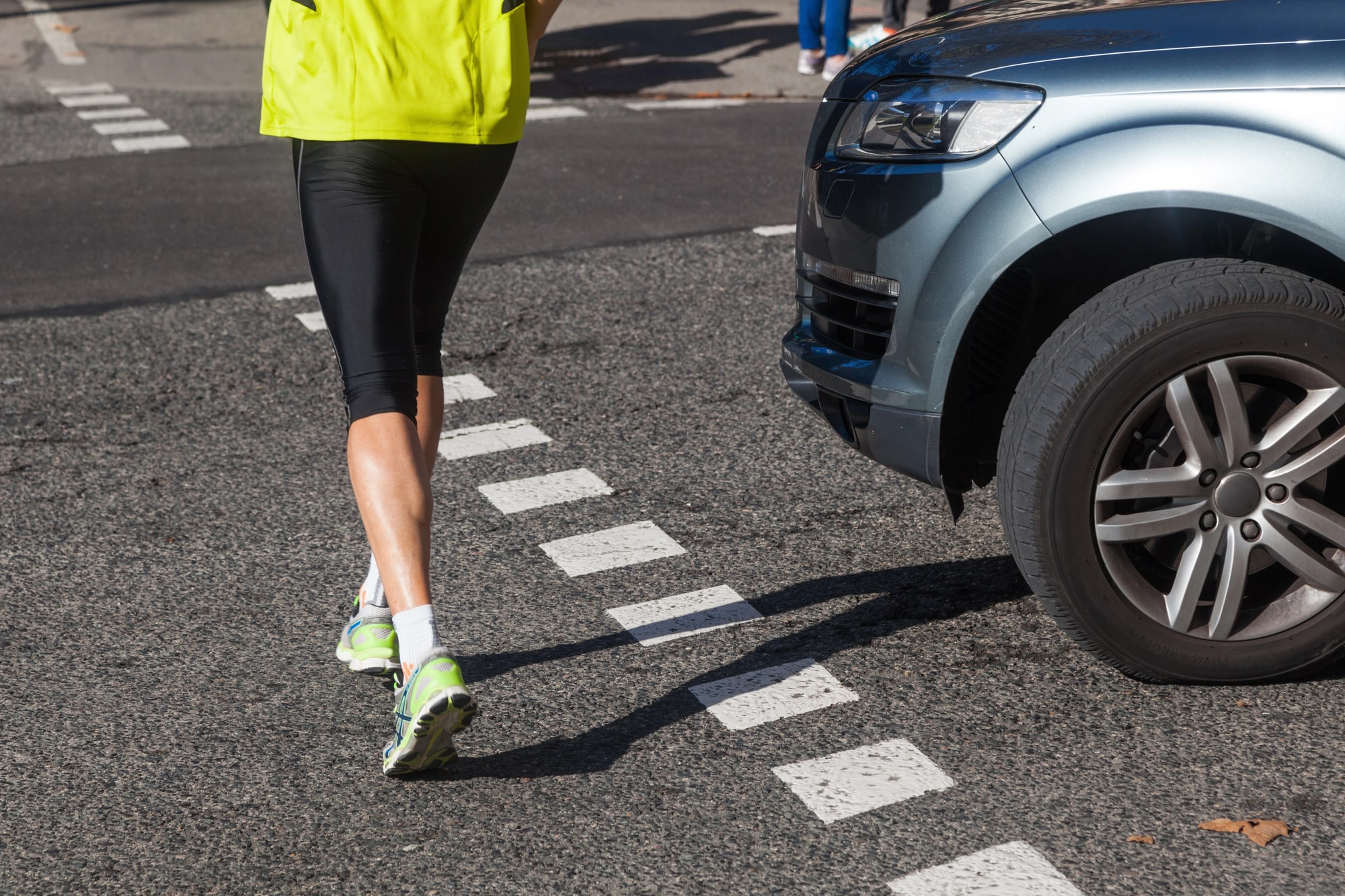
Crosswalks seem straightforward until you’re involved in an accident. Connecticut law provides specific protections for pedestrians, but understanding how these rules apply can make the difference between recovering compensation and being blamed for your injuries.
When Pedestrians Have The Right Of Way
Connecticut General Statutes Section 14-300 establishes clear rules about pedestrian right of way. When you’re crossing at a marked crosswalk or an unmarked crosswalk at an intersection, drivers must yield to you. This applies whether the crosswalk has painted lines or not. The law requires vehicles to stop and remain stopped to allow pedestrians to cross safely. Drivers cannot proceed until they’ve completely crossed their lane of travel. This protection extends to all intersections, even those without traffic signals or stop signs. However, pedestrians also have responsibilities. You cannot suddenly leave a curb or safe area and walk into the path of a vehicle that’s so close it can’t reasonably stop. This balancing act between driver duty and pedestrian caution often becomes the focal point in accident cases.
Unmarked Crosswalks Create Confusion
Many people don’t realize that crosswalks exist at every intersection, whether marked or not. Connecticut law treats these unmarked crosswalks the same as painted ones in terms of pedestrian rights. Problems arise because drivers often don’t recognize these invisible crosswalks. They may think pedestrians can only cross at marked locations. This misunderstanding leads to accidents, particularly at residential intersections where painted crosswalks are rare. A Glastonbury pedestrian accident lawyer can help determine whether an unmarked crosswalk applies to your situation and how that affects liability.
Mid-Block Crossing Rules
Crossing between intersections, known as jaywalking, changes the legal equation. When you cross mid-block, you must yield to all vehicles. Drivers don’t have a duty to stop for pedestrians crossing outside of crosswalks. Connecticut law specifically states that pedestrians crossing anywhere other than a marked or unmarked crosswalk must yield the right of way to vehicles. If an accident occurs during jaywalking, proving the driver was at fault becomes significantly harder. That doesn’t mean drivers have no responsibility. They still must exercise reasonable care and try to avoid hitting pedestrians, even when those pedestrians are crossing illegally.
Traffic Signal Obligations
Traffic signals add another layer of rules:
-
Pedestrians must obey “Walk” and “Don’t Walk” signals where they exist
-
Crossing against a signal can reduce or eliminate your ability to recover damages
-
Drivers turning at intersections must still yield to pedestrians lawfully in the crosswalk
-
A green light for vehicles doesn’t override pedestrians’ right of way in crosswalks
The timing of signals matters too. If you enter a crosswalk legally on a “Walk” signal but it changes while you’re crossing, you still have the right to finish crossing safely.
How Fault Gets Determined
Connecticut uses comparative negligence rules. Even if you violated a pedestrian law, you might still recover compensation if the driver was also at fault. Your recovery gets reduced by your percentage of responsibility. For example, if you crossed mid-block but the driver was speeding and texting, you might be found 30% at fault while the driver is 70% responsible. You could still recover 70% of your damages. Insurance companies will scrutinize every detail to shift blame onto you. They’ll examine where you crossed, what you were wearing, whether you looked both ways, and if you had been drinking. Police reports, witness statements, and traffic camera footage all become evidence in determining fault.
School Zone And Construction Area Rules
Special protections apply in school zones. Connecticut law imposes stricter speed limits and enhanced penalties for drivers who fail to yield to pedestrians near schools. These areas often have crossing guards, and drivers must follow their directions. Construction zones with workers present require similar caution. Temporary crosswalks and altered traffic patterns create situations where both drivers and pedestrians need extra awareness.
When You Need Legal Guidance
Pedestrian accidents often result in serious injuries because you have no protection against a multi-ton vehicle. Medical bills pile up quickly, and determining who pays depends on understanding these right-of-way rules. Brown Paindiris & Scott, LLP represents injured pedestrians throughout Connecticut. The firm understands how law enforcement and insurance companies evaluate these cases and what evidence matters most. If you’ve been hit while crossing a street, we can review the specific circumstances of your accident. Understanding whether you were in a crosswalk, what signals were active, and how the driver was operating can determine whether you have a strong claim. Don’t let insurance adjusters convince you that crossing the street means you’re automatically at fault.