Skip to Content


8 Common Errors In Construction Accident Claims
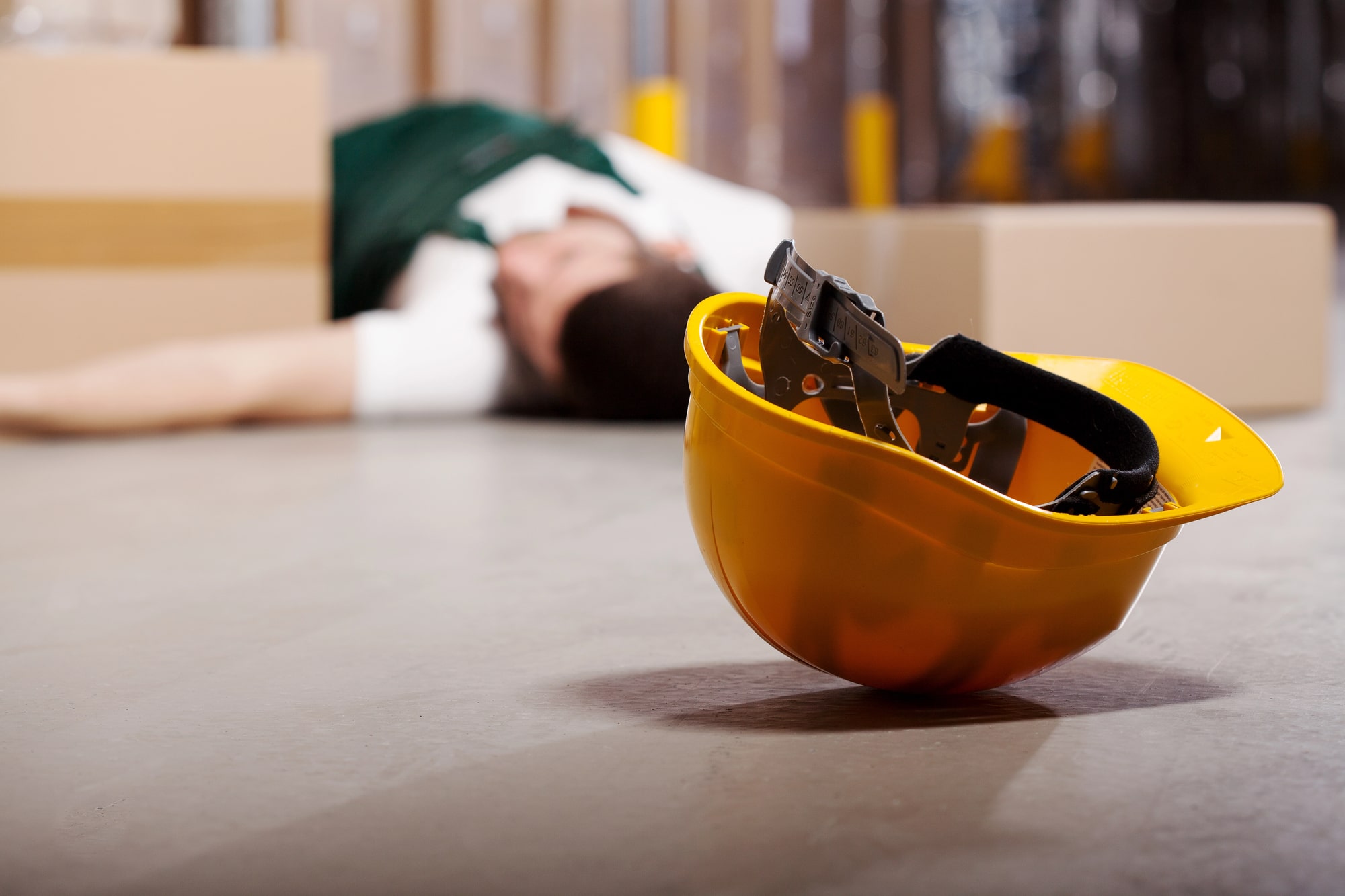
Construction site injuries involve complex legal issues including workers’ compensation, third-party liability, safety violations, and multiple potentially responsible parties. These cases require specialized knowledge that differs from standard workplace injury claims.
Our friends at Burton Law Firm discuss how specific mistakes cost injured workers compensation they deserve for serious on-site injuries. A wrongful death lawyer familiar with construction cases knows the unique regulatory requirements and common pitfalls that weaken claims against contractors, property owners, and equipment manufacturers.
These eight errors jeopardize construction accident claims and your financial recovery.
1. Not Reporting Accidents Immediately to Supervisors
The biggest mistake construction workers make after injuries is failing to report accidents to supervisors right away. Delayed reporting gives employers arguments that incidents didn’t happen as described or weren’t work-related.
According to the Occupational Safety and Health Administration, prompt accident reporting is essential for both safety investigations and legal claims.
Report all injuries immediately in writing and get confirmation that supervisors received your report. This documentation establishes when accidents occurred and that employers had notice.
2. Assuming Workers’ Compensation Is Your Only Option
Many injured construction workers believe workers’ compensation provides their exclusive remedy. While workers’ comp typically bars claims against your direct employer, third-party liability claims often exist against general contractors, subcontractors who aren’t your employer, property owners, equipment manufacturers, or other parties whose negligence contributed to injuries.
These third-party claims can recover damages workers’ compensation doesn’t cover including pain and suffering, full lost wages without caps, and punitive damages when applicable.
We investigate all potentially liable parties beyond just your employer to maximize your total recovery.
3. Not Documenting Safety Violations
Construction sites must comply with extensive OSHA safety regulations. Violations of these requirements that cause injuries create strong liability cases. Document safety violations including missing fall protection, improper scaffolding, lack of required safety equipment, inadequate training, and hazardous conditions without warnings.
Photographs of violations taken immediately after accidents provide powerful evidence that responsible parties failed to maintain safe worksites.
4. Failing to Preserve Defective Equipment
Equipment failures cause many construction injuries. When defective tools, machinery, or safety equipment contribute to accidents, product liability claims exist against manufacturers and distributors.
Preserve all equipment involved in accidents exactly as it was when injuries occurred. Don’t repair, modify, or discard defective items. We need physical evidence to prove manufacturing defects or design flaws.
5. Not Identifying All Companies on Site
Construction projects typically involve multiple companies including general contractors, various subcontractors, equipment rental companies, and property owners or developers.
We investigate which companies were present, what roles they played, whether they had safety responsibilities, and which ones contributed to dangerous conditions causing your injuries.
Multiple defendants mean more insurance coverage available to compensate you.
6. Accepting Early Workers’ Compensation Settlements
Workers’ compensation insurers push injured workers to settle quickly often before understanding injury severity or future medical needs. These settlements typically include releases barring additional workers’ comp claims.
Never settle workers’ compensation cases without understanding whether you’ve reached maximum medical improvement and what your long-term prognosis looks like. Early settlements often grossly undervalue serious injuries requiring lifetime care.
7. Not Understanding Your Employment Status
Whether you’re an employee, independent contractor, or working for a subcontractor affects what claims you can pursue. Misclassification is common in construction where companies improperly classify employees as independent contractors to avoid workers’ compensation obligations.
We investigate your actual employment relationship regardless of what your hiring paperwork says. Proper classification determines available remedies and which parties can be sued.
8. Failing to Preserve Accident Scene Evidence
Construction sites change constantly as work progresses. Hazardous conditions that caused injuries get corrected immediately, equipment gets moved or removed, and scenes return to safe configurations within hours or days.
Photograph everything immediately showing exact accident locations, safety violations and hazards, equipment positions and conditions, warning signs or their absence, and weather or lighting conditions.
This documentation preserves evidence that will disappear as construction continues.
Understanding Construction Site Liability
Construction accident liability differs from other injury cases because of the complex web of relationships between workers, contractors, subcontractors, and property owners. Multiple parties often share responsibility for maintaining safe worksites and complying with OSHA regulations.
General contractors have duties to coordinate safety across all trades, subcontractors must follow safety regulations for their specific work, property owners can be liable for dangerous site conditions, and equipment companies must provide safe properly maintained tools and machinery.
We investigate who had safety responsibilities and which parties violated those duties causing your injuries.
Maximizing Your Recovery
Construction workers injured on the job deserve full compensation for catastrophic injuries that often end careers and cause permanent disabilities. Workers’ compensation provides limited benefits while third-party liability claims recover complete damages including pain and suffering and lost earning capacity.
The mistakes discussed above either limit you to inadequate workers’ comp benefits when third-party claims exist or result in premature workers’ comp settlements that don’t address long-term needs.
Understanding all available legal remedies and avoiding errors that jeopardize claims protects your right to maximum compensation from all responsible parties.
Protecting Your Rights
Construction site injuries involve overlapping legal systems including workers’ compensation, third-party negligence, product liability, and OSHA safety violations. These complex cases require attorneys who understand how these different legal frameworks interact.
Missing evidence, accepting inadequate workers’ comp settlements, or failing to identify third-party defendants leaves substantial compensation on the table. Construction workers facing life-changing injuries cannot afford these mistakes.
Insurance companies and construction companies have experienced attorneys protecting their interests. You need equally skilled representation fighting for your rights.
Contact an attorney experienced specifically with construction accident cases who understands OSHA safety regulations and violation consequences, knows how to identify all potentially liable third parties, investigates equipment defects and product liability claims, maximizes both workers’ compensation and third-party recoveries, and will fight for full compensation that reflects the true impact of serious construction injuries that have ended your career and changed your life permanently.