Skip to Content


6 Reasons Why Hiring A DWI Lawyer Changes Everything
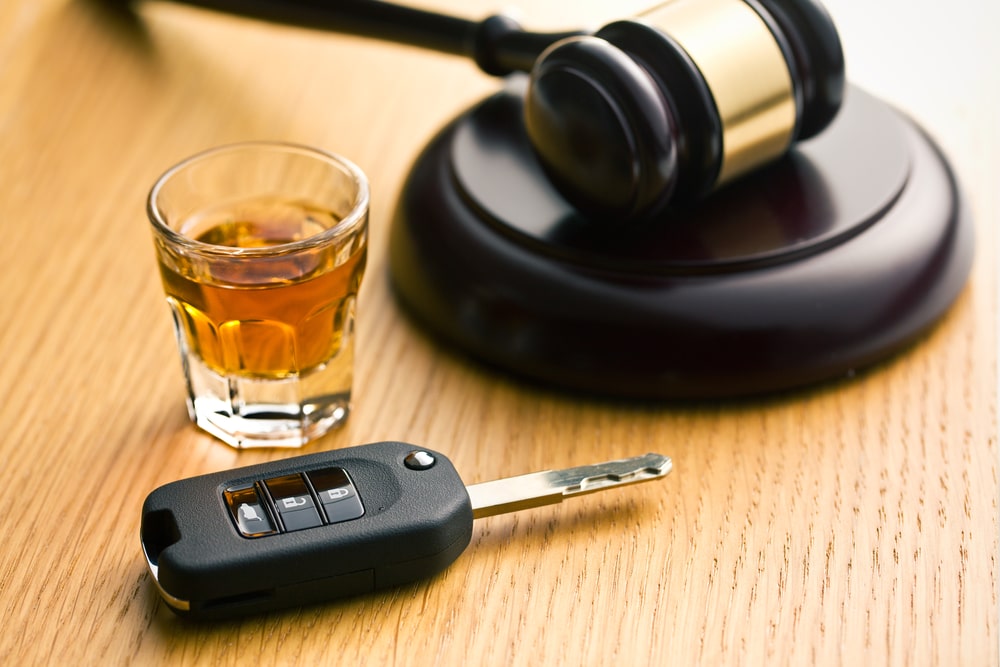
A DWI arrest can feel like your world just stopped. The flashing lights, the field sobriety tests, the handcuffs. Everything happens so fast that most people don’t know what to do next.
Many people assume they have no defense and simply plead guilty. This is often a mistake. Our friends at Eastside DUI discuss how proper legal representation can mean the difference between a conviction and a dismissed case. A qualified DWI lawyer understands the science behind breathalyzer tests, the legal procedures officers must follow, and the negotiation strategies that work with prosecutors.
Understanding What You’re Up Against
DWI penalties vary by state, but they’re uniformly serious. First-time offenders often face license suspension, hefty fines, mandatory alcohol education programs, and potential jail time. According to the National Highway Traffic Safety Administration, approximately 30 people die every day in drunk-driving crashes in the United States.
These statistics explain why prosecutors and judges take these cases seriously. They also explain why you need someone who knows how to handle them properly.
Why Legal Representation Matters
1. Police Don’t Always Follow Proper Procedures
Law enforcement officers must follow specific protocols during DWI stops and arrests. They need reasonable suspicion to pull you over. They must administer field sobriety tests correctly. They have to read your rights at the appropriate time.
We review every detail of your stop to identify procedural violations. When officers cut corners or make mistakes, that evidence can be challenged or suppressed. Sometimes a case falls apart because the initial traffic stop wasn’t justified.
2. Breathalyzer And Blood Tests Aren’t Perfect
Chemical tests for blood alcohol content seem straightforward, but they’re not foolproof. Breathalyzer machines require regular calibration and maintenance. Blood samples must be stored and handled properly. Medical conditions and certain diets can affect test results.
A DWI attorney knows how to:
-
Obtain calibration and maintenance records for testing equipment
-
Challenge the chain of custody for blood samples
-
Identify medical conditions that skew results
-
Question the qualifications of the person who administered the test
These technical challenges often create reasonable doubt about test accuracy.
3. Prosecutors Are More Willing To Negotiate
Prosecutors deal with defense attorneys differently than they deal with unrepresented defendants. When you have legal counsel, prosecutors know they can’t take shortcuts. They understand that someone will challenge weak evidence and identify legal problems with their case.
This changes plea bargain discussions entirely. We’ve negotiated reduced charges, alternative sentencing options, and even dismissals when the evidence doesn’t support a conviction.
4. Alternative Sentencing Options Exist
Many jurisdictions offer diversion programs, deferred adjudication, or other alternatives to standard DWI penalties. These programs might involve alcohol monitoring, treatment programs, or community service instead of jail time.
Most people don’t know these options exist. Even when they do, courts don’t automatically offer them. You need someone who knows what’s available and how to advocate for these alternatives.
5. License Suspension Hearings Are Separate Proceedings
Your criminal case and your license suspension are two different things. Most states conduct administrative hearings to determine whether your license should be suspended. These hearings happen quickly, often within days of your arrest.
Missing the deadline to request a hearing means automatic suspension. We handle these administrative proceedings while also managing your criminal case. Sometimes we can prevent or reduce license suspension even when criminal charges remain pending.
6. Long-Term Consequences Extend Beyond Court
A DWI conviction doesn’t end when you pay your fine or complete probation. The conviction stays on your record. It affects employment opportunities, professional licenses, insurance rates, and even housing applications.
Defense counsel works to minimize these long-term impacts through record sealing, expungement when available, or by fighting for reduced charges that carry less stigma.
Taking The Next Step
Facing DWI charges doesn’t mean you’re out of options. The decisions you make right after an arrest significantly impact the outcome of your case. We help clients understand their rights, evaluate the evidence against them, and build the strongest possible defense. Reach out to discuss your situation and learn how we can protect your future.